Coach and bus operators often struggle to manage increased demand during the summer surge due to reliance on spreadsheets and disconnected systems. This leads to overbooking, missed vehicle checks, and operational inefficiencies—commonly referred to as “spreadsheet burnout.”
To scale effectively, operators need strategic visibility and real-time control over their fleet. A centralised dashboard enables teams to monitor vehicle utilisation, track availability, and prevent scheduling conflicts. This ensures that every asset is used efficiently while reducing the risk of errors.
The use of proactive tools like VMS [Vehicle Management System] ensures that all vehicles are roadworthy and compliant before deployment, helping operators avoid breakdowns and service disruptions during peak periods.
By shifting from reactive management to a proactive, data-driven approach, operators can:
- Increase fleet utilisation and revenue
- Prevent overbooking and scheduling conflicts
- Improve operational efficiency
- Deliver more reliable customer service
Ultimately, moving from manual processes to a fully visible, centralised system allows coach operators to transform summer demand from operational chaos into controlled, scalable growth.
When Growth Becomes the Problem
For most coach and bus operators, summer should represent opportunity — higher demand, increased revenue, and stronger long-term contracts. But for many, it becomes something else entirely: operational chaos.
Bookings surge. Spreadsheets multiply. Phone calls stack up. Drivers, vehicles, and compliance checks become harder to track. And suddenly, instead of scaling profitably, operators find themselves firefighting.
This is what many in the industry now refer to as spreadsheet burnout — the point where manual systems simply cannot keep up with demand.
The reality is simple: growth without visibility leads to risk.
This is where the shift from chaos to command becomes essential.
The Summer Surge Problem: Why Traditional Systems Break
During peak months — particularly June through August — transport operators face a unique combination of pressures:
- High booking volumes across multiple clients
- Tighter turnaround times between jobs
- Increased reliance on part-time or temporary drivers
- More complex routing and scheduling requirements
- Heightened compliance and safety demands
Many operators attempt to manage this using familiar tools:
- Spreadsheets
- Paper-based systems
- Disconnected software
But these systems weren’t built for real-time operations.
According to the National Highway Traffic Safety Administration, proper fleet management and maintenance tracking are critical for reducing operational risk and ensuring safety compliance — something manual systems struggle to guarantee at scale.
Source: https://www.nhtsa.gov/road-safety
As demand increases, these limitations become painfully visible:
- Double bookings
- Missed maintenance checks
- Late departures
- Poor communication between teams
The result? Lost revenue, reputational damage, and unnecessary stress.
Spreadsheet Burnout: The Hidden Cost of “Managing Manually”
Spreadsheet burnout isn’t just about inefficiency — it’s about lost opportunity.
When your operations team is buried in manual scheduling, they’re not:
- Optimising routes
- Maximising vehicle utilisation
- Upselling additional services
- Planning strategically
Instead, they’re reacting.
And reactive businesses don’t scale well.
A study by McKinsey & Company highlights that companies using data-driven operational tools can improve productivity by up to 20–30%.
Source: https://www.mckinsey.com/capabilities/operations/our-insights
For coach operators, that gap often represents the difference between:
- A profitable summer
- And a chaotic one
From Reactive to Proactive: The Power of Strategic Visibility
To scale effectively, operators need more than just data — they need visibility.
Strategic visibility means:
- Seeing your entire fleet in one place
- Understanding utilisation in real time
- Identifying gaps before they become problems
- Making decisions based on live operational data
This is where a centralised dashboard becomes transformative.
Instead of switching between tools, chasing updates, or relying on guesswork, your team operates from a single source of truth.
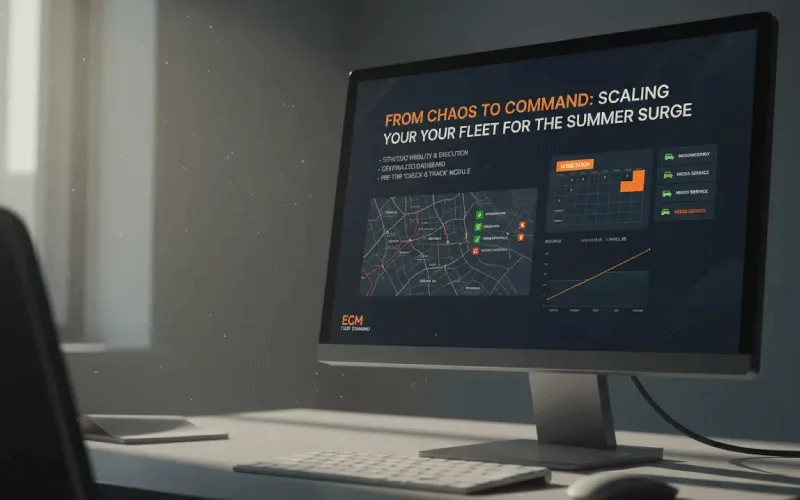
The Centralised Dashboard: Your Fleet Command Centre
A centralised operations dashboard acts as the control hub for your entire business.
It allows you to:
- Track all active bookings in real time
- Monitor vehicle availability and allocation
- Identify underutilised assets
- Prevent overbooking before it happens
During the summer surge, this level of control is invaluable.
Key Benefits
- Real-Time Fleet Utilisation
Instantly see which vehicles are:
- Fully booked
- Underused
- Available for last-minute jobs
This helps maximise revenue from every asset.
- Overbooking Prevention
With clear visibility across all jobs, schedulers can:
- Avoid double allocations
- Balance workloads across the fleet
- Make informed decisions quickly
- Faster Decision-Making
When disruptions occur — and they will — your team can respond immediately with accurate information.
Execution Matters: Turning Insight into Action
Visibility alone isn’t enough. Execution is where value is created.
Operators who scale successfully during peak periods combine:
- Real-time insight
- Clear workflows
- Automated alerts
This ensures that issues are addressed before they escalate.
Introducing “Check & Track”: Ensuring Every Vehicle Is Ready
One of the biggest risks during a busy summer period is sending out vehicles that aren’t fully prepared.
This can lead to:
- Breakdowns
- Compliance failures
- Delays
- Customer dissatisfaction
The “Check & Track” module is designed to eliminate this risk.
What It Does
- Confirms vehicle roadworthiness before deployment
- Tracks maintenance and inspection status
- Ensures compliance requirements are met
- Provides a clear audit trail
This aligns with best practices outlined by the Driver and Vehicle Standards Agency, which emphasises regular checks and maintenance to ensure fleet safety and compliance.
Source: https://www.gov.uk/government/organisations/driver-and-vehicle-standards-agency
Why Proactive Checks Matter More in Summer
During peak demand:
- Vehicles are used more frequently
- Turnaround times are shorter
- Wear and tear increases
Without a structured system, it’s easy for checks to be:
- Missed
- Rushed
- Poorly documented
A proactive system ensures:
- Every vehicle is ready
- Every job runs smoothly
- Every compliance requirement is met
Eliminating Firefighting: The Shift to Fleet Command
Reactive operations are defined by:
- Last-minute problem solving
- Constant interruptions
- Lack of clarity
Proactive operations, on the other hand, are built on:
- Planning
- Visibility
- Control
This is the essence of moving from chaos to command.
What Fleet Command Looks Like
- You know exactly where every vehicle is
- You understand your capacity at all times
- You can accept bookings with confidence
- You resolve issues before customers notice them
Maximising Revenue During Peak Season
The summer surge is not just about surviving — it’s about maximising profitability.
With the right systems in place, operators can:
1. Increase Fleet Utilisation
Ensure every vehicle is working as efficiently as possible.
2. Accept More Jobs with Confidence
Clear visibility removes the fear of overcommitting.
3. Reduce Downtime
Proactive maintenance prevents unexpected disruptions.
4. Improve Customer Experience
Reliable, on-time service leads to repeat business and referrals.
Building a Scalable Operation
Scaling isn’t just about handling more bookings — it’s about doing so sustainably.
A scalable operation requires:
- Standardised processes
- Centralised systems
- Real-time data
- Proactive management
Without these, growth becomes fragile.
The Competitive Advantage of Operational Clarity
In a crowded market, operators who can deliver:
- Consistency
- Reliability
- Efficiency
will always outperform those relying on manual systems.
Strategic visibility isn’t just an operational upgrade — it’s a competitive advantage.
Practical Steps to Prepare for the Summer Surge
To move from chaos to command, operators should:
1. Centralise Your Operations
Bring all scheduling, fleet, and compliance data into one system.
2. Monitor Fleet Utilisation Daily
Identify gaps and opportunities in real time.
3. Implement Pre-Deployment Checks
Ensure every vehicle is road-ready before leaving the depot.
4. Automate Where Possible
Reduce manual input and human error.
5. Train Your Team
Ensure everyone understands how to use the system effectively.
The Future of Fleet Management
The industry is shifting rapidly toward:
- Digital-first operations
- Real-time data
- Automated workflows
Operators who embrace this shift will:
- Scale faster
- Operate more efficiently
- Deliver better customer experiences
Those who don’t risk being left behind.
Conclusion: Command Your Summer, Don’t Chase It
The summer surge doesn’t have to mean chaos.
With the right approach, it can become your most profitable and controlled period of the year.
By moving away from spreadsheets and toward:
- Centralised dashboards
- Real-time visibility
- Proactive fleet management
you transform your operation from reactive firefighting into strategic command.
The question isn’t whether demand will increase.
It’s whether your systems are ready for it.
FAQs
What is fleet utilisation in the coach industry?
Fleet utilisation refers to how effectively vehicles are used over a given period. High utilisation means more revenue per vehicle.
How can I prevent overbooking during peak seasons?
Using a centralised dashboard with real-time visibility helps operators track availability and avoid double-booking vehicles.
Why are vehicle checks important before summer?
Increased usage during the summer raises the risk of breakdowns. Regular checks ensure safety, compliance, and reliability.
What causes spreadsheet burnout in transport businesses?
Manual scheduling, lack of integration, and high booking volumes overwhelm traditional tools, leading to inefficiency and errors.