
In the bustling world of UK transport, businesses face constant pressure to optimise operations, reduce costs, and ensure compliance. Historically, many relied on manual processes – spreadsheets, paper logbooks, and fragmented communication. However, the modern landscape demands more. The transition from manual methods to sophisticated UK Transport Fleet Management Software isn’t just an upgrade; it’s a necessity for survival and growth.
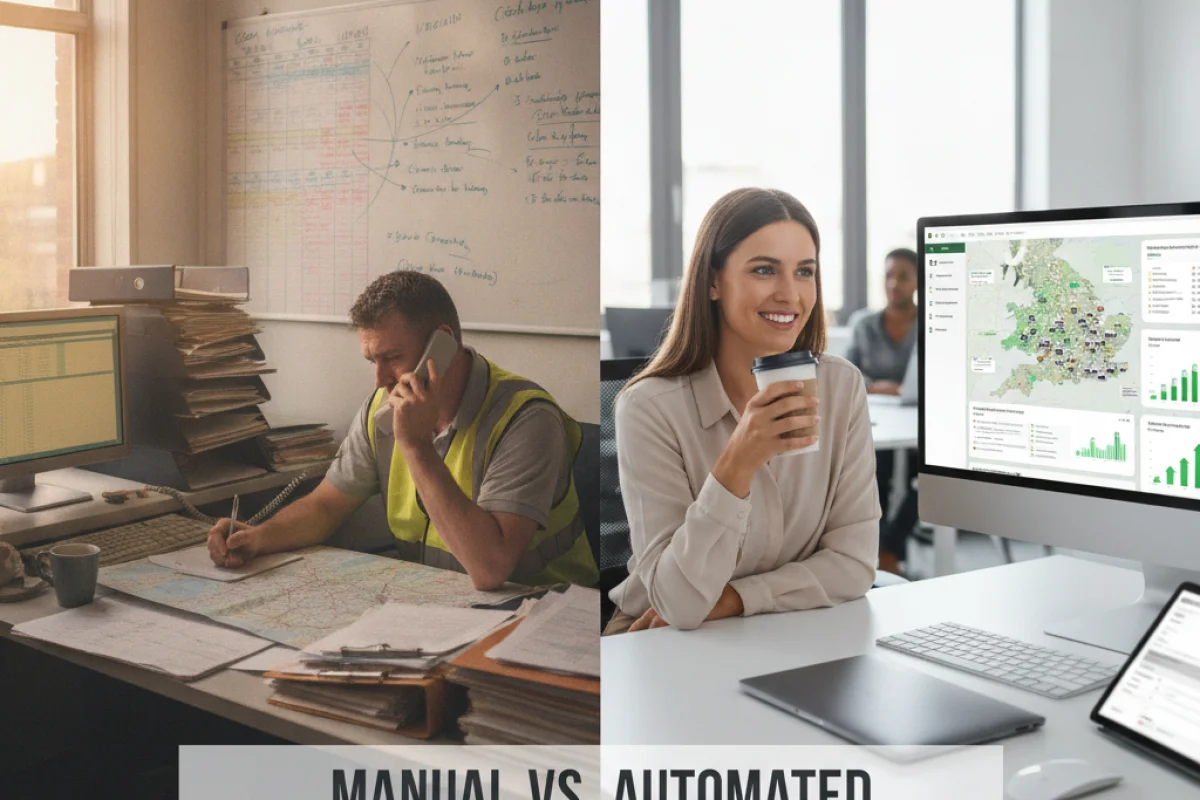
The Pitfalls of Manual Fleet Management
While seemingly cost-effective initially, manual systems are riddled with inefficiencies and potential for error. Imagine tracking vehicle maintenance schedules, driver hours, fuel consumption, and booking details across multiple spreadsheets. This approach often leads to:
- Data Silos and Inaccuracy: Information is scattered, making it difficult to get a holistic view of your fleet. Discrepancies between records can cause significant issues.
- Time-Consuming Administration: Manual data entry, cross-referencing, and report generation divert valuable staff time from more strategic tasks.
- Compliance Risks: Keeping up with stringent UK transport regulations, such as those governed by the Department for Transport and DVSA, becomes a monumental challenge without automated tracking.
- Poor Resource Utilisation: Without real-time insights, vehicles might be underutilised, or drivers overbooked, leading to missed opportunities and increased operational costs.
- Delayed Responses: Addressing unexpected issues like breakdowns or last-minute booking changes is slow and cumbersome.
Embracing Automation: The Power of Modern Fleet Management Software
Modern transport management software, like the comprehensive solutions offered by eCoach Manager, transforms these challenges into opportunities. It centralises data, automates routine tasks, and provides invaluable insights, specifically designed for coach, minibus charter, and tour companies.
Key Advantages of Automated Systems:
- Streamlined Operations: Automate booking management from initial enquiry to final payment, driver scheduling, and vehicle allocation. This significantly reduces administrative burden and operational friction.
- Enhanced Customer Management: Keep all customer details, communication history, and preferences in one place, leading to better service and repeat business. Whether you’re managing regular routes or bespoke Private Bus Hire, a central system makes a difference.
- Real-time Visibility: Gain instant access to critical data on vehicle location, driver performance, and maintenance needs. This allows for proactive decision-making and efficient problem-solving.
- Improved Compliance: Automated reminders for vehicle inspections, MOTs, and driver licence checks ensure your fleet always adheres to regulatory standards, avoiding costly penalties. For example, managing strict requirements for School Transport is made much simpler.
- Cost Reduction: Optimise fuel consumption through efficient route planning, reduce unexpected maintenance costs with proactive scheduling, and minimise administrative overheads.
- Data-Driven Decisions: Generate detailed reports on every aspect of your operation – from profitability per route to driver efficiency – empowering you to make informed strategic decisions.
- Integration Capabilities: Seamlessly integrate with accounting software programs, eliminating manual data transfer and ensuring financial accuracy.
Choosing the Right Solution for Your UK Business
When selecting fleet management software, UK transport businesses should look for a system that is intuitive, scalable, and tailored to their specific needs. A robust system should offer comprehensive features covering booking automation, customer relationship management, detailed reporting, secure payment processing, and efficient vehicle and driver information management, including vehicle tracking.
Moving from manual methods to automated fleet management software is no longer a luxury but a strategic imperative for UK transport businesses. It ensures efficiency, compliance, and profitability in an increasingly competitive market, setting the foundation for sustainable growth and operational excellence.
Frequently Asked Questions
What is UK Transport Fleet Management Software?
UK Transport Fleet Management Software is a specialised system designed to help transport businesses in the United Kingdom manage all aspects of their vehicle fleet operations. This includes automating bookings, tracking vehicles, managing drivers, scheduling maintenance, processing payments, and ensuring compliance with local regulations.
Why should UK transport businesses switch from manual to automated systems?
Automated systems reduce manual errors, save significant administrative time, improve compliance with UK transport regulations, provide real-time insights for better decision-making, and ultimately lead to cost savings and increased operational efficiency compared to traditional manual methods.
What are the key features to look for in a fleet management system?
Essential features include booking automation, customer management, detailed reporting, payment processing, vehicle and driver information management, vehicle tracking, maintenance scheduling, and integration capabilities with accounting software.
How does fleet management software help with compliance in the UK?
The software automates reminders for critical compliance checks such as vehicle inspections, MOTs, driver licence expiry, and working hour regulations. This helps businesses adhere to standards set by bodies like the DVSA and the Department for Transport, avoiding penalties.
Can this software be integrated with existing accounting systems?
Yes, many modern fleet management software solutions, including eCoach Manager, offer seamless integration with standard accounting software programs. This eliminates manual data entry, reduces errors, and ensures consistent financial reporting.