Fleet tracking used to be about one thing:
knowing where vehicles are.
In 2026, that definition is outdated.
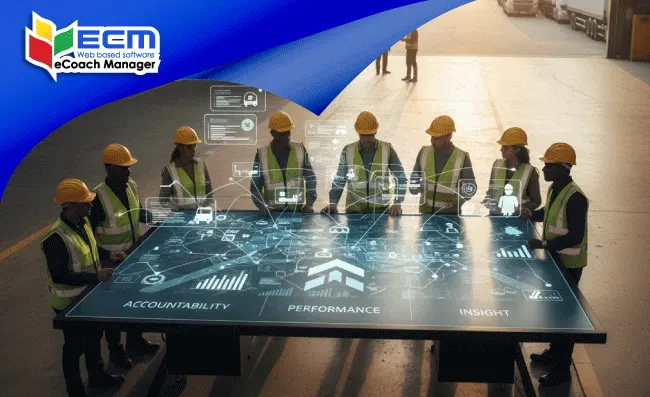
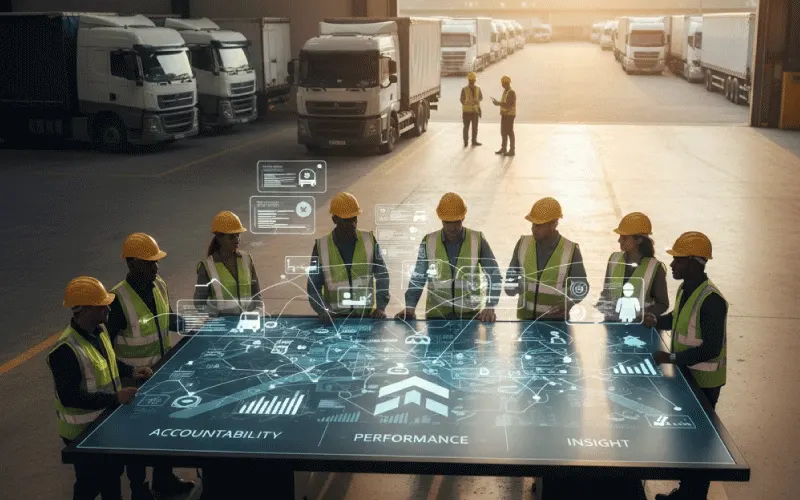
Modern transport operators don’t win on visibility alone—they win on accountability, performance, and insight. Knowing where a vehicle is matters far less than knowing:
- why it’s there
- how it’s being used
- whether it’s performing as expected
- who is accountable when it isn’t
This article explains how fleet tracking—when embedded into a wider operational system—becomes a performance multiplier, not just a map on a screen.
Modern fleet tracking is no longer about vehicle location alone—it’s about accountability and performance. eCoachManager integrates live tracking with scheduling, compliance, maintenance, and driver data to create a complete operational picture. This allows transport operators to understand not just where vehicles are, but how effectively they are being used, where inefficiencies occur, and who is accountable for outcomes. By linking tracking data to real operational decisions, businesses reduce dead mileage, improve punctuality, strengthen compliance, and drive better driver engagement. The result is a fleet that performs predictably, transparently, and profitably—turning tracking data into a competitive advantage rather than passive information.
Why Traditional Fleet Tracking Falls Short
Standalone GPS tools answer basic questions:
- Where is the vehicle right now?
- How fast is it moving?
What they don’t explain:
- whether the trip was necessary
- whether the vehicle was the right choice
- whether the driver followed the plan
- whether delays were preventable
- how this impacts utilisation, cost, or KPIs
From Location Data to Operational Accountability
eCoachManager reframes tracking as behavioural and operational intelligence.
Tracking data is connected directly to:
- bookings and schedules
- driver assignments and legal hours
- vehicle type and depot location
- maintenance status
- performance benchmarks
This transforms tracking from observation into accountability.
Accountability Without Micromanagement
High-performing fleets don’t rely on constant supervision—they rely on clear expectations and transparent data.
With integrated fleet tracking:
- planned routes vs actual routes are visible
- early departures and late arrivals are explained
- unauthorised detours stand out instantly
- repeated inefficiencies become measurable
Accountability shifts from blame to clarity:
“What happened—and how do we improve it next time?”
Performance Visibility That Drives Better Decisions
When tracking is linked to operations, patterns emerge:
- which routes consistently overrun
- which vehicles underperform
- where congestion regularly impacts schedules
- which depots generate the most dead mileage
This allows managers to:
- redesign routes
- rebalance fleet allocation
- adjust schedules realistically
- intervene before issues escalate
Performance improves because decisions improve.
Reducing Dead Mileage and Fuel Waste
One of the biggest hidden costs in transport is unnecessary movement.
By combining tracking with base-to-base visibility, eCoachManager helps operators:
- assign the nearest suitable vehicle
- avoid cross-city repositioning
- eliminate “just in case” movements
Small reductions in dead mileage compound into significant annual fuel and maintenance savings.
Punctuality, Reliability & Customer Confidence
Customers rarely complain about the journey—they complain about timing.
Integrated fleet tracking supports:
- accurate ETAs
- early identification of delays
- proactive communication with clients
- realistic service promises
Reliable tracking builds trust—and trust wins repeat contracts.
Stronger Compliance Through Evidence, Not Assumptions
When tracking is siloed, compliance relies on declarations.
When tracking is integrated:
- journeys align with logged bookings
- vehicle use aligns with inspection status
- driver hours align with movement data
This creates a defensible, auditable trail that supports:
- regulatory compliance
- internal investigations
- insurance and incident reviews
Accountability becomes objective—not disputed.
Empowering Drivers Through Fair Transparency
Good drivers want fairness.
Integrated tracking ensures:
- delays caused by traffic are visible
- unrealistic schedules are exposed
- good performance is measurable
When drivers trust the system:
- data quality improves
- engagement increases
- defensive behaviour drops
Transparency supports professionalism—not surveillance.
Turning Live Data into Long-Term Improvement
Live tracking solves today’s issues.
Historical tracking improves tomorrow’s performance.
With eCoachManager, operators analyse:
- recurring delay patterns
- route profitability
- asset utilisation trends
- driver workload balance
This turns fleet tracking into a continuous improvement engine.
Why eCoachManager Is Different from GPS-Only Tools
GPS tools show dots moving on a map.
eCoachManager shows cause and effect.
Because tracking is embedded within:
- scheduling
- compliance
- maintenance
- performance analytics
Every movement has context—and every insight leads to action.
Final Thought: Visibility Is Power—Context Is Control
Knowing where your vehicles are is useful.
Knowing why they’re there and how well they’re performing is transformative.
Fleet tracking that boosts accountability doesn’t create pressure—it creates clarity, trust, and better outcomes.
That’s why modern operators don’t just track fleets.
They run them intelligently with eCoachManager.